

Sorry, nothing in cart.
What Are Common Parasitic Infections in Humans
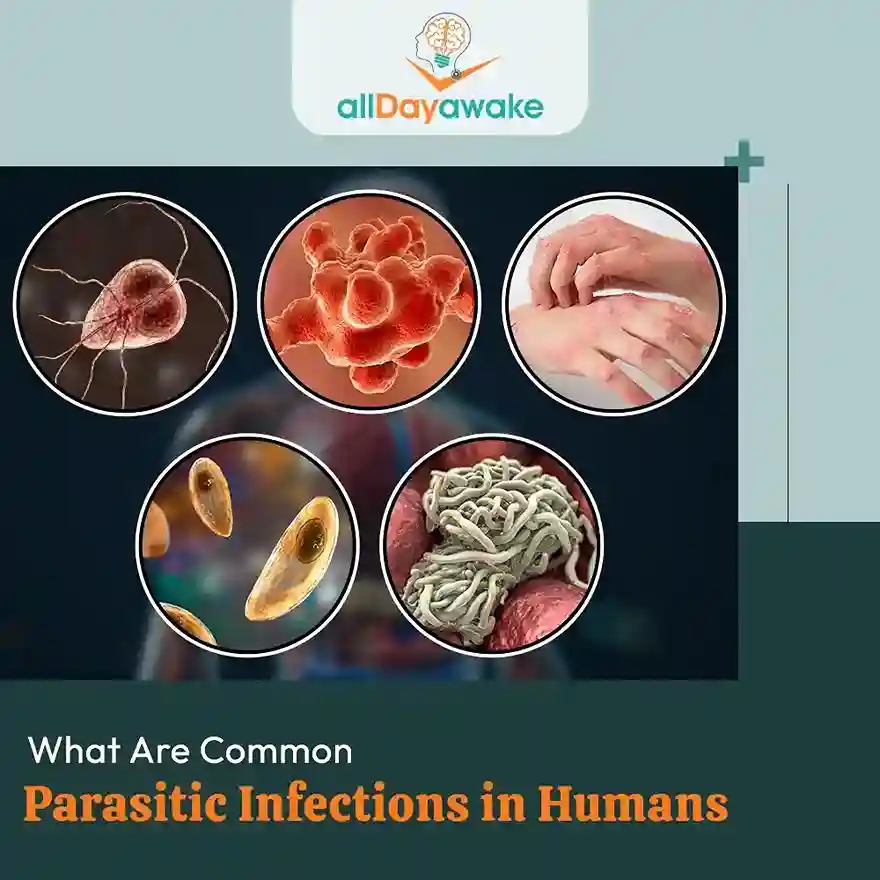
If you are searching for “What Are Common Parasitic Infections in Humans in the USA?” you’re at the right place. Parasitic infections are becoming increasingly common in infants and adults, thus triggering the need for reliable solutions. Some may want to learn more because awareness helps in improving lifestyle practices to prevent transmission or stop the worsening of the underlying symptoms.
We will be discussing everything from the basics to promising antiparasitic treatments.
What Are Parasitic Infections?
We’ve a long way to go for understanding What Are Common Parasitic Infections in humans are deeply. But first, let’s explore what you mean by parasitic infections.
Parasitic infections, also referred to as helminth or worm infections, are diagnosed when the microorganisms enter the human body and survive on it. The parasites/worms/helminths extract nutrients from the host body, cause potential harm, and disrupt their normal bodily functions.
These infections can occur in the intestines, skin, tissues, or bloodstream. They can range from mild to severe. Several parasite species may invade the human body simultaneously (mixed worm infestations). It is thus required to sense the abnormality and seek medical help promptly to stop the growth and spread of the infection.
How Do Parasitic Infections Spread?
Before hopping to What Are Common Parasitic Infections in Humans in the USA, why not check out how these infections spread? Mostly, parasitic infections occur when individuals get into contact with contaminated food, water, or soil. In addition, poor hygiene practices or compromised sanitation lead to easy transmission. These infections can also spread through mosquito bites. At times, close contact with an infected individual also spreads infection.
Parasites That Affect Humans
Wondering What Are Common Parasitic Infections in humans are in the USA? Let’s discuss the most common parasites causing infections in humans.
- Protozoa (single-celled)
- Plasmodium
- Giardia duodenalis
- Trichomonas vaginalis
- Toxoplasma gondii
- Entamoeba histolytica
- Helminths (worms)
- Flatworms
- Roundworms
- Hookworms
- Pinworms
- Whipworms
- Ringworms
- Tapeworms
- Ectoparasites (external)
- Bed bugs or ticks
- Scabies
- Lice
✓
Did you know?
Parasites are broadly categorized into three groups: Protozoa, Helminths & Ectoparasites. They commonly transmit through contaminated food/water/soil or after insect bites (for instance, mosquitoes).
What are the symptoms of parasites in the body?
Before considering what are common parasitic infections in humans, how do you even know if it is a parasitic infection or something else? It may be tough to discriminate by yourself, but here are the symptoms likely to show up when an individual is affected by parasitic infections.
- Fatigue
- Weakness
- Bloating
- Abdominal pain
- Constipation
- Diarrhea
- Fever
- Itching
- Skin irritations
- Vomiting
- Nausea
In many cases, it is possible that the base cause is something else while the patient assumes it is a parasitic infection. It happens because of the non-specific symptoms. You can see that many symptoms collide with your routine habits, too. So, it is not possible to confirm unless you visit the healthcare provider.
What Are Common Parasitic Infections in Humans?
So, what are common parasitic infections in humans, specifically in the USA? The most reported ones include:
- Scabies: it is a type of skin infection transmitted through mites
- Filariasis: also called lymphatic filariasis, this infection spreads through mosquito bites and affects the lymphatic system
- Hookworm infection: leads to anaemia and weakness
- Tapeworm infection: transmitted through contaminated food, particularly undercooked meat
- Giardiasis: spreads via Giardia parasites, causing diarrhoea and stomach cramps
- Ascariasis: better known as roundworm infection, mainly impacts the intestines
- Amebiasis: a type of intestinal infection caused by Entamoeba histolytica
The symptoms may vary for internal & external parasitic infections. Furthermore, internal infection symptoms differ according to the affected organ (for instance, gastrointestinal tract, lymphatic system, etc.). A proper medical diagnosis is required for accurate treatment.
How are Parasitic Infections diagnosed?
As you’re now getting clearer about what are common parasitic infections in humans, you may be curious to determine how these infections are diagnosed. Well, it can only be confirmed by the healthcare provider after medical evaluation and lab tests.
The common diagnostic methods include:
- Blood tests – help in identifying certain parasitic infections
- Stool tests – recommended for confirming intestinal parasites
- Imaging tests – mostly advised in severe or complicated cases
- Skin examination – helps in detecting levels of external parasites
Either of these tests can be suggested for identifying the type and severity of parasitic worm infections the patient is affected with. This further helps in deciding the direction of treatment or adjustments (if needed). Such tests can be conducted before and after treatment (to check if the infection has cleared).
ℹ
Can you self-diagnose?
No, it is generally impossible to run a self-diagnosis for parasitic infection due to non-specific symptoms. You may assume diarrhea, fatigue, bloating, or stomach pain as a parasitic infection, while it may be caused by other concerns, too.
Treatment Options for Parasitic Infections
After studying what are common parasitic infections in humans, let’s explore the possible treatment options.
- Ivercor 12 mg (single-dose treatment)
- Fenbendazole 222 mg (used consecutively for 3 to 5 days with once-daily frequency)
- Wormiza 222 Mg (prescribed for once-daily use for 3 to 5 days regularly)
- Wormiza 444 mg (helps in addressing severe intestinal parasites)
While these are single-content anthelmintics useful for improving mild to severe levels of parasitic infections, combination tablets can also be suggested. For instance, the Ivermectin and Albendazole tablet combination can be advised for treating complicated or mixed worm infections in humans. This is just an example; others can be combined as per the medical requirements of the patient.
Conclusion
It is essential to learn what are common parasitic infections in humans for safeguarding your well-being. Having awareness regarding the causes, symptoms, and possible treatments helps you seek medical help promptly. You can recognize the early signs and take necessary steps sooner to prevent complications. While a lot of deworming therapies exist, the search for Albendazole vs Fenbendazole remains in the spotlight.
When seeking a promising antiparasitic treatment in the USA, consult your healthcare provider first. Also, follow safe hygiene practices, drink clean water, eat fully cooked meals, and avoid sharing your personal items with others (if you are already infected). Such minor changes help with faster recovery and reduce the risk of reinfection.
Buy high-quality anti-worm medications from authorized vendors like alldayawake at pocket-friendly costs.
FAQs
What foods can cause parasites in humans?
Parasitic Infections can be transmitted in humans through undercooked or contaminated foods like raw meat and unwashed fruits/vegetables.
How do parasites enter the human body?
Parasitic worms, or helminths, mostly enter the human body through contaminated food/water/soil, insect bites, or poor hygiene practices.
Are Parasitic Infections contagious?
Most parasitic infections do not go away on their own; doctors prescribe Ivermectin and Albendazole Tablets depending on the type of infection under medical supervision.


