

Sorry, nothing in cart.
Fenbendazole and Liver Cancer
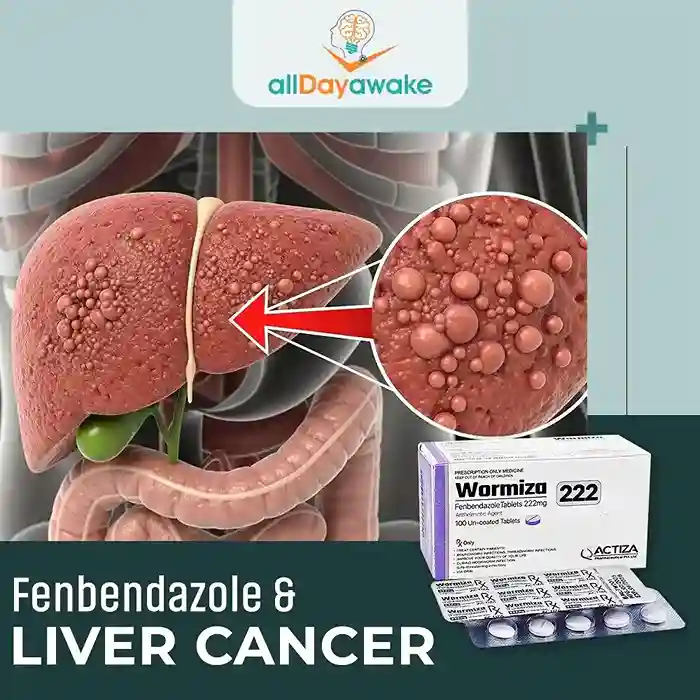
In the past few years, Fenbendazole and Liver Cancer have become popular search terms among those seeking alternative/complementary cancer treatments.
Fenbendazole is an antiparasitic treatment that has gained attention in numerous discussions online. Some claim that it may have anti-cancer benefits. Such topics spark curiosity, especially for those diagnosed with cancer or looking for a surefire treatment for their loved ones. It is, however, important to understand what science says about the limitations of deworming drugs as cancer medications, potential risks, and so on. Needless to say, Liver cancer is a severe condition requiring proper diagnosis and treatment under medical guidance. It can be risky to trust/use any randomly claimed drugs for the same.
Understanding Liver Cancer
Before discussing more about Fenbendazole and Liver Cancer, let us understand what liver cancer is, how it occurs, and what the approved treatment options are.
What is Liver Cancer?
The abnormal and uncontrollable cell growth turning into tumours within the liver is medically termed as Liver Cancer. Hepatocellular carcinoma (HCC) is the most common type and is primarily reported among liver cancer cases.
Underlying Causes
Liver cells may get damaged due to chronic Hepatitis B or Hepatitis C infection, heavy alcohol abuse, fatty liver disease, toxin exposure, etc. Other responsible causes can be long-term inflammation or injuries leading to genetic mutations, ultimately triggering cancer development.
In the earlier stages, fewer symptoms shall occur and become more noticeable as cancer progresses (abdominal discomfort, severe fatigue, jaundice, loss of appetite, unexplained weight loss, etc).
Standard treatment options
The standard treatment varies according to the liver cancer stage. Doctors may suggest surgery, targeted therapy, liver transplantation, immunotherapy, or radiation therapy. These are some clinically approved therapies for liver cancer management.
What is Fenbendazole?
Fenbendazole is among the most recognized anthelmintics used for treating parasitic worm infections. It is a benzimidazole agent that works by impairing the energy metabolism of parasites/helminths, thus preventing their nutrient absorption and causing death eventually.
Drugs like Wormiza 222 mg are popular Fenbendazole dosages among many others, having it as the major active ingredient. It helps in improving symptoms caused by hookworms, roundworms, and other intestinal parasites.
Fenbendazole and Liver Cancer may be associated because of its effects on the cellular structures. It raised concerns among researchers about whether it can help in addressing liver cancer cells in early stages. However, it has not been approved for cancer treatment. Numerous anecdotal reports can be found online (even more than the clinical trials!), but further research is required.
Fenbendazole and Liver Cancer
Fenbendazole for Humans is effective in treating parasitic worm infections, but relating it to liver cancer treatment is unworthy. People have linked Fenbendazole and Liver Cancer, based on imaginary benefits and some early lab findings.
Cancer treatments can work by disrupting the microtubules vital for cell division. As Fenbendazole also interferes with the microtubule formations of parasites, it is wondered if it can also control the rapidly-growing cancer cells. It is also believed through some experimental studies that benzimidazole agents may slow down the growth of specific cancer cells under controlled conditions. Some also find it an affordable alternative to costly cancer treatments. All of these spark curiosity for Fenbendazole as a liver cancer therapy.
As of now, no clinical evidence supports Fenbendazole for Liver Cancer treatment. Don’t rely on such non-proven ways, but consider prescription therapies only.
How Might Fenbendazole Affect Cancer Cells?
According to the researchers studying Fenbendazole and Liver Cancer, this anthelmintic may affect cancer cells by disrupting the microtubules (required for cancer cell division). It is also believed to slow down the growth of rapidly spreading cancer cells. Some studies also suggest its effectiveness against cellular metabolism or triggering programmed cell death.
Despite these findings, they are still on paper. Extensive research is required to confirm its benefits for liver cancer care.

What Does the Scientific Evidence Say about Fenbendazole and Liver Cancer?
Currently, limited scientific evidence is available supporting Fenbendazole and Liver Cancer relevance. Whatever research is accessible is preclinical (conducted in laboratories on animal models or cell structures). As further clinical trials are required, experts recommend medically approved liver cancer therapies only.
Why Is Fenbendazole Linked to Cancer?
Fenbendazole and liver cancer are related because of personal experiences and (often fake) testimonials accessible online stating unproven benefits. These stories spread through social media and health forums, thus sparking curiosity regarding the medication. The key is to look for scientifically-proven treatments when addressing critical conditions like liver cancer.
Risks of Using Fenbendazole for Liver Cancer
As discussed, Fenbendazole and Liver Cancer do not relate in any way but involve major health risks. Due to limited information available regarding dosage accuracy, safety, and long-term effects in humans, it is not advised to proceed with this anthelmintic for liver cancer treatment.
Safety Concerns of Using Fenbendazole for Liver Cancer
Safety should be a priority before considering Fenbendazole and Liver Cancer. As you know, it is an unapproved approach, hence to be avoided despite exploring countless experiences online. Consult your oncologist for any related concerns.
Supportive Approaches for Liver Cancer
Healthy lifestyle habits, gentle exercise, balanced nutrition, and stress-reducing practices may help support general liver health and overall well-being and can be considered alongside standard medical care for people with liver cancer.
- Natural and Traditional Remedies
Several herbal and traditional supplements are also available. They can be used only after consulting a doctor to ensure safety, avoid interactions, and confirm they do not replace standard cancer treatments
- Mind-Body Practices
Certain mind-body practises like yoga and meditation help reduce stress and support psychologically-balanced routine during cancer therapies.
- Physical Exercise Programs
It’s good to engage in moderate physical activities to support muscle strength, energy levels, and overall well-being.
- Immunonutrition / Nutritional Support
Cancer patients are encouraged to eat balanced meals. Consuming foods with vitamins, proteins, and antioxidants may help support general health and maintain strength during treatment.
Can Fenbendazole Be Used Alongside Cancer Therapy?
No wonder many online discussions seem convincing regarding Fenbendazole and Liver Cancer; no clear scientific evidence confirms them. While Fenbendazole 222 mg can be effective for controlling parasitic infestations, its efficacy for liver cancer is still under research. It is ideal to use safe and approved therapies instead of using these experimental approaches, or complications shall result.
Common Myths about Fenbendazole and Liver Cancer
One of the most common myths about Fenbendazole and Liver Cancer is that drugs effective against parasites must be working against cancer. Another widespread belief is – if it can benefit someone, it means it is beneficial for all (even if no scientific evidence is available!). The key is to not believe in any such misbeliefs but trust proven solutions as advised by oncologists.
Why Choose Us?
Alldayawake has a wide range of medications, whether seeking anti-worm drugs, liver care or anti-cancer medications.
- Our drugs are directly sourced from the globally recognised manufacturers only.
- We emphasise purchasing prescription-only medications to ensure optimal effectiveness through our 100% guaranteed-quality products.
- Be assured to buy any medication at competitive prices. If ordering today, it’ll arrive at your doorstep in the next 6 – 15 days only.
- Our round-the-clock customer support can be approached for product-related queries, tracking details, etc.
Conclusion
Relating Fenbendazole and Liver Cancer reflects growing interest regarding alternative therapies for cancer care. As per some early lab reports, Fenbendazole cancer treatment may affect particular cellular processes, but no strong scientific evidence proves its reliability for liver cancer in humans. Those diagnosed with liver cancer are better recommended with standard (research-backed) treatments under medical guidance. Avoid preferring any other approaches that are ‘claimed’ or ‘experimental’.
✓
Tip
While the research is still ongoing, it need not be relied upon as effective unless approved. Practising caution and making informed decisions will help you avoid health risks to a great extent.
Read More:- Difference Between Albendazole vs Fenbendazole
FAQs
Why do some people believe it helps cancer?
Fenbendazole for Liver Cancer is often believed to be helpful because of unreliable claims online. While most people believe the word, everyone may not have pleasant experiences due to a lack of scientific evidence.
Does Fenbendazole cure liver cancer?
No scientific research supports the claim that Fenbendazole cures liver cancer. It is better to proceed with the standard cancer treatments as medically advised for reliable results.
Is it safe to try Fenbendazole during chemotherapy?
No, it is unsafe to combine Fenbendazole dosage for cancer (especially with ongoing chemotherapy). If seeking an alternative/combination therapy, consult your oncologist first.
Can Fenbendazole damage the liver?
Yes, unsupervised use of Fenbendazole can potentially affect liver functions. The chances of liver damage are high among those with pre-existing liver conditions.


