

Sorry, nothing in cart.
What to Avoid When Taking Low Dose Naltrexone
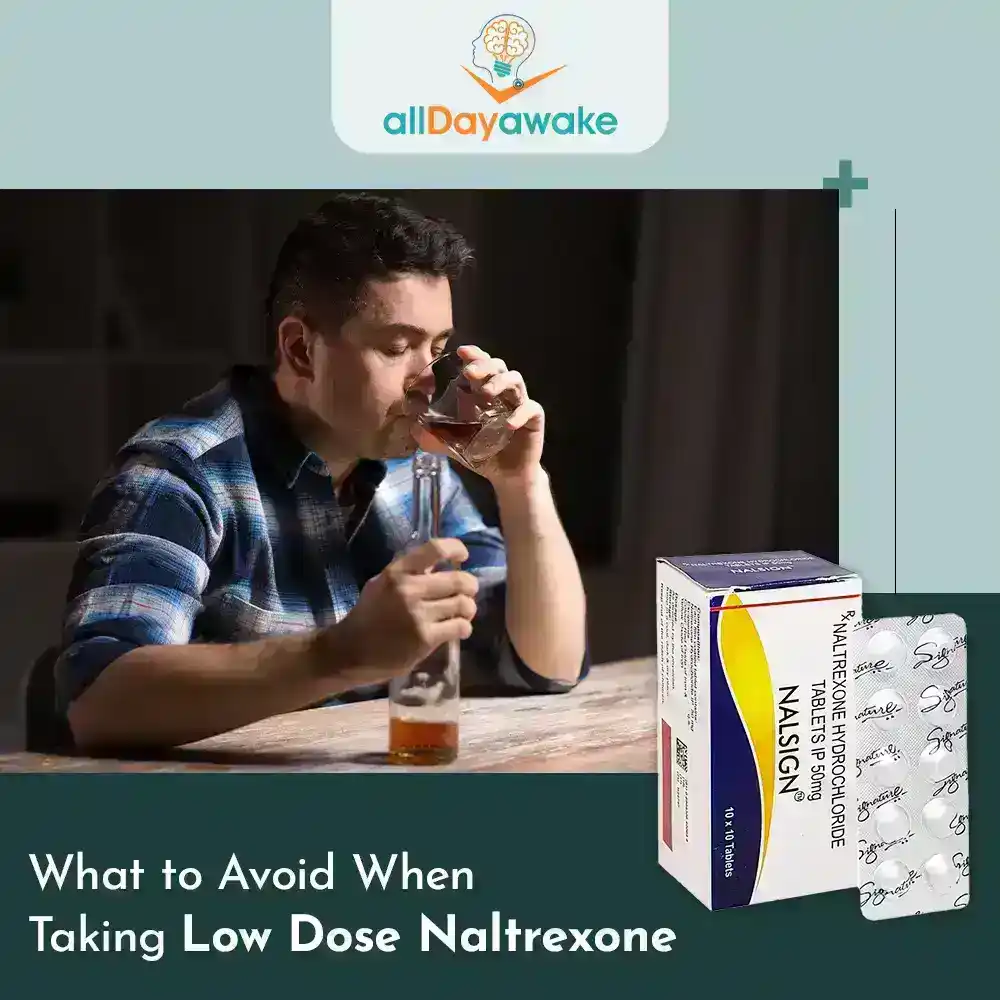
Low-dose Naltrexone (LDN) has gained recognition for its wide range of health benefits. It has helped numbers of individuals withdraw successfully from opioid and alcohol dependence. This drug is versatile enough for improving autoimmune conditions and supports chronic pain management too. People are also prescribed with it for effective weight loss/management and mental wellness. Most patients prescribed this drug have had positive experiences, thus raising a common concern about “What to avoid when taking low-dose naltrexone?” for enhancing its effectiveness and ensuring safety.
In this detailed guide, we’ll explore what this medicine is, how it works, the substances to avoid, the habits to improve, and how to achieve optimal benefits from your treatment with this drug.
Why is it Important to Know What to avoid?
LDN can have interactions with other medicines, lifestyle factors, or supplements. Understanding what to AVOID helps in:
- Keeping away from undesirable reactions (side effects) when using this medicine
- Ensuring that no interacting drugs are taken together with Naltrexone
- Improving the performance of the drug
- Supporting overall health while meeting the goals of treatment
LDN is known to influence the body’s response towards pain, alter the response of the immune system, and well as endorphins. Hence, determining things to avoid makes sense for experiencing optimal effectiveness of the medicine and preventing risks.
What Is Low Dose Naltrexone (LDN)?
Low-dose naltrexone is used for helping individuals naturally withdraw from opioid and drug dependence. Naltrexone 50 mg is the standard dose of this medicine, but it is also available in low-strength dosages like 1.5mg to 4.5mg, each prescribed according to the severity of dependence or medical condition to improve. Other factors like the patient’s age, body weight, other health issues existing, medicines they are using, allergies, etc, are also considered for suggesting the dosage precisely.
Below is the former low-dose Naltrexone uses:
- Withdrawal from opioid and alcohol dependence
- Chronic fatigue syndrome
- Fibromyalgia
- Multiple sclerosis (MS)
- Chronic pain
- Weight loss and management
- Hashimoto’s thyroiditis
- Crohn’s disease
How does it work in the Body?
Before learning how the low dose works, let’s see how the standard dose works…
Naltrexone (in its standard dose of 50mg) is the opioid antagonist that works by blocking the opioid receptors in the brain, thereby preventing their binding to both endogenous and exogenous opioids.
The low doses of Naltrexone are formulated for blocking the opioid receptors for a few hours, which makes the body stimulate the production of endorphins naturally after the blockage wears off. As a result, this short-term interference helps in regulating the response of the immune system, reduces inflammation related to autoimmune disorders, boosts mood, and metabolism by increasing endorphins. This makes Naltrexone weight loss a popular usage, too.
What to avoid when taking low-dose naltrexone?
Here is what to avoid when taking low-dose naltrexone for enhancing its effectiveness and reducing the risk of side effects:
- Drugs containing Opioids
No opioid-containing drugs should be taken when using LDN. The combination can block pain relief immediately while triggering withdrawal symptoms. Don’t use medicines with any of these contents:
- Fentanyl
- Tramadol
- Oxycodone
- Hydrocodone
- Morphine
- Codeine
| Ensure discontinuing opioids 7 to 10 days before starting Naltrexone to avoid negative effects.
- Alcohol
LDN is among the well-tolerated drugs, but having it with alcoholic beverages could reduce its therapeutic effect, especially among patients considering treatment for immunity or mental health benefits. Moreover, alcohol can interfere with liver functions and quality of sleep, which holds great importance throughout treatment with Naltrexone.
Foods and Beverages to Avoid with LDN
Naltrexone comes with certain dietary restrictions, and here are the top foods and beverages to avoid when taking LDN:
- Fatty or heavy foods
- Alcohol, grapevine, and any beverages containing alcohol
- Caffeinated beverages
- Energy drinks
- Junk, processed, or packaged foods
Can I Take Other Medications Alongside LDN?
Yes, you may take other medicines when on treatment with LDN. However, consult your doctor first. Tell them about your ongoing treatments, allergies, etc, for receiving appropriate guidance.
Here are the most well-known contradictions of Naltrexone, the drugs that should never be paired during the treatment:
- Opioids
- Sedatives or sleep-promoting drugs
- Immunosuppressants
The doctor may suggest pausing treatment with this drug for some time or changing your dosage to avoid potential interactions.
Timing Your Low-Dose Naltrexone for Maximum Benefit
Any medicine, including the standard dose Naltrexone 50 mg or LDN, can deliver optimal health benefits only if it is dosed correctly. Dosage timing plays a crucial role here.
| LDN is best taken before bedtime to align with the body’s natural endorphin-release cycle.
Some users can experience sleeplessness, restlessness, or vivid dreams after using this medicine at night. Such patients could be given a morning dose. Either way, these tips will help in availing the maximum benefits of this drug:
- Take Low Dose LDN at the same time daily because consistent levels of Naltrexone lead to better improvements.
- Don’t have food 1 – 2 hours before and after taking this medicine.
- Visit your healthcare provider at intervals for tracking progress and dosage adjustment based on the response to the medication.
Lifestyle Habits to Avoid During LDN Treatment
Here are the most-recommended changes related to lifestyle habits when on treatment with Low Dose Naltrexone.
- Ill-managed sleep cycles – when the user is sleep-deprived, the immune functions are affected, and so is their hormonal balance. This creates a negative impact on the performance of LDN. It is thus recommended to get quality sleep regularly, up to 7 – 8 hours, to experience the effects of this drug in full swing.
- Alcohol or smoking – Ethanol (alcohol) and tobacco increase oxidative stress and cause inflammation, which contradicts the anti-inflammatory effects of Naltrexone.
- Using recreational drugs – Such medicines could impair the efficacy of this drug, thus interfering with the healing process promoted by this drug.
- Poor diet – Not having nutrition-rich foods can delay results.
- Stress (unmanaged) – It is essential to manage stress, particularly among patients diagnosed with chronic stress, because endorphins are depleted, and the underlying symptoms can worsen because of it. Engage in mindfulness techniques, breathing exercises, yoga, etc, that make transitioning stress easier.
What Are the Potential Side Effects?
While low-dose Naltrexone is well-tolerated and safe, certain side effects are still possible. Most of them are tolerable and in mild to moderate intensities, though. First-time users likely experience:
- Fatigue
- Nausea
- Sleep disturbances
- Vivid dreams
- Stomach upset
LDN rarely causes any major allergic reactions, but these symptoms should be reported to the physician as soon as they occur:
- Mild mood swings
- Restlessness
- Anxiety
- Muscle cramps
- Difficulties in breathing or swallowing
- Irregular heartbeat
Things to Consider Before Using Low-Dose Naltrexone
Before your treatment begins with Low-dose Naltrexone, here are the things to consider:
- Inform the doctor if you have used opioids in the recent past or are on treatment currently.
- Discuss with the physician if you have liver-related disorders because this drug is metabolised in the liver, and such patients are selectively indicated for this medicine.
- Its safety is limited among pregnant and breastfeeding women. So, consult the doctor before using it directly during such medical conditions.
- Share regarding the medicines you are using at the moment, those you are allergic to, and mention the autoimmune conditions (if any), to ensure safe treatment.
- This medicine should be used in the suggested dosages and for the treatment period advised by the physician. Any alterations could drive undesirable effects.
- The dosage can be increased gradually after assessing the response to the drug. Get the blood tests done promptly (usually recommended at intervals) for determining a further treatment plan.
However effective the medicine is, if it isn’t used responsibly/cautiously, the results shall be unfavourable.
Conclusion
By the time we have discussed “What to avoid when taking low-dose naltrexone?”, you now know what you shouldn’t attempt when on treatment with this drug. The versatility of LDN makes it widely used, but a responsible dosage is required for optimal effects. Follow dosage guidance and don’t attempt to interact with drugs/conflicting substances to avoid negative effects.
FAQs
Can I take opioids while on LDN?
No, opioids should not be used when taking withdrawal treatment like LDN because of the contradictions that occur.
Are there foods or drinks I should avoid?
Yes, the user should avoid alcohol, grapefruit juice, and caffeine to prevent insomnia and restlessness. Also, fat-rich foods should be avoided to support the effectiveness of the drug.
Is it safe to use supplements with LDN?
Mostly, it is safe to take supplements when using LDN, but consult your doctor first.
Does it matter what time of day I take LDN?
The dosages are typically scheduled at night so that the drug aligns with the natural endorphin cycles of the body. However, if you experience insomnia, restlessness, or vivid dreams, then the dosage could be scheduled in the morning.
Can I take other prescription medications along with LDN?
Yes, but only after consulting the physician and learning about the interacting drugs so that you don’t unknowingly take the contradicting medications together.


